What is a Local Smart Home? The Benefits of Privacy and Reliability (2025)
Has this ever happened to you? Your internet goes down, and suddenly your $30 smart bulbs become dumber than the 50-cent bulbs they replaced. Or perhaps you’ve wondered who might be listening or watching through your cloud-connected devices. These problems are the driving force behind the movement towards a local smart home.
A local smart home, often described as having “local control,” is a setup where your devices and automations are processed inside your home, not on a company’s server in another country. It’s the key to building a smart home that is fast, reliable, and truly private.
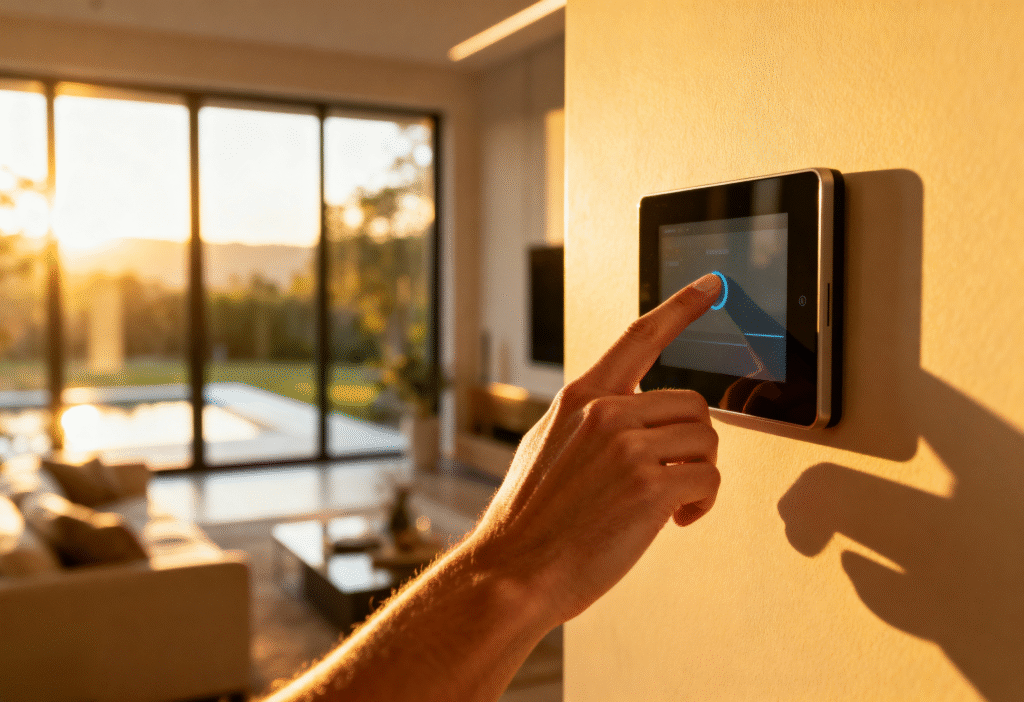
The 3 Core Benefits of a Local Smart Home
Choosing local control over cloud dependency provides three transformative advantages that every smart home enthusiast should care about.
1. Unshakeable Reliability
This is the most immediate benefit. In a local smart home, your automations run whether you have an internet connection or not. When you press a button, the light turns on instantly because the command travels a few feet to your hub, not on a 1,000-mile round trip to a server and back. Cloud outages, ISP issues, or server maintenance from the manufacturer will never disable your home.
2. Absolute Privacy
In a cloud-based system, every command you give and every automation that runs is data that is collected and stored by a corporation. They know when you wake up, when you leave for work, and when you go to bed. In a local smart home, all of that data stays with you, inside your own network. There is no data mining, no selling of your habits to advertisers, and a vastly reduced risk of your personal information being exposed in a data breach.
3. Blazing Speed
Latency is the delay between when you issue a command and when the action happens. Because local commands don’t have to travel over the internet, the response is instantaneous. While a half-second delay might not sound like much, the snappy, instant feedback of a local system feels dramatically more premium and satisfying to use every day.
How Do You Build a Local Smart Home?
Creating a local-first smart home is easier than you might think. It comes down to making two key choices:
- Choose a Local Hub: This is the most critical step. You need a “brain” for your smart home that is designed to run locally. The two best options on the market are Home Assistant and Hubitat. These platforms are built from the ground up for local control. You can learn more about what they do in our guide to smart home hubs.
- Choose Local Protocols: The languages your devices speak matter. Wireless protocols like Zigbee and Z-Wave are local by nature. When a Zigbee sensor talks to a Zigbee bulb, that conversation happens entirely within your home’s mesh network. While many Wi-Fi devices are cloud-dependent, a powerful hub like Home Assistant can often communicate with them locally, bypassing the manufacturer’s servers entirely.
Conclusion: Take Back Control of Your Home
A local smart home isn’t about being a technical elitist; it’s about building a better, more reliable, and more respectful smart home. It ensures that the “smart” features you paid for continue to work, regardless of external factors, and that your home remains your private space.
By prioritizing local control in your device and platform choices, you are investing in a system that is faster, more secure, and will stand the test of time.
- Ready to choose your hardware? See our comparison of the Home Assistant Green vs. a Raspberry Pi 5 to get started.
How much does smart home gear cost over five years?
Sticker price is only part of the story. Hubs, repeaters, replacement batteries, cloud subscriptions and electrician call-outs can add up quickly on Australian 240 V installs. We compare total ownership cost in our reviews and link to primary references such as the Home Assistant documentation and the Matter specification when protocol compatibility matters. Budget for at least one spare sensor or switch when you standardise on a hub — mixed-vendor kits often need extra repeaters.
Cross-check compatibility, safety and local rules with official sources before you buy. Australian 240 V wiring, RCM labelling and hub protocols change with firmware updates, so confirm details against manufacturer docs and a licensed electrician when mains power is involved.
Which protocol should you standardise on?
Wi-Fi devices are easy to buy but noisy on your network. Zigbee and Thread/Matter devices usually need a compatible hub or border router, yet they tend to behave better when the internet drops. Before you bulk-buy sensors or switches, decide whether Modern Home Tech readers should prioritise local control, Apple Home, Google Home or Home Assistant — then pick products that match that path instead of mixing three ecosystems by accident. Thread border routers in Australia must still meet RCM requirements for radio equipment.
Which smart home news topics matter most for owners?
Protocol changes, security advisories and tariff updates affect real households more than launch-day hype. We prioritise Matter and Thread compatibility notes, recall notices, and energy price shifts that change whether automations still save money. Firmware regressions that break local control also rank above minor app redesigns — those are the updates worth reading before you buy more gear.
Cross-check compatibility, safety and local rules with official sources before you buy. Australian 240 V wiring, RCM labelling and hub protocols change with firmware updates, so confirm details against manufacturer docs and a licensed electrician when mains power is involved.