The 3 Best Smart Blinds for 2026 (Reviewed)
Smart Blinds The best smart blinds for most people in 2026 are not always full replacement shades. If you already have horizontal blinds, start with SwitchBot Blind Tilt. If you are fitting new roller shades, choose Matter over Thread for broad platform support or Zigbee if you already run a strong Home Assistant Zigbee network.
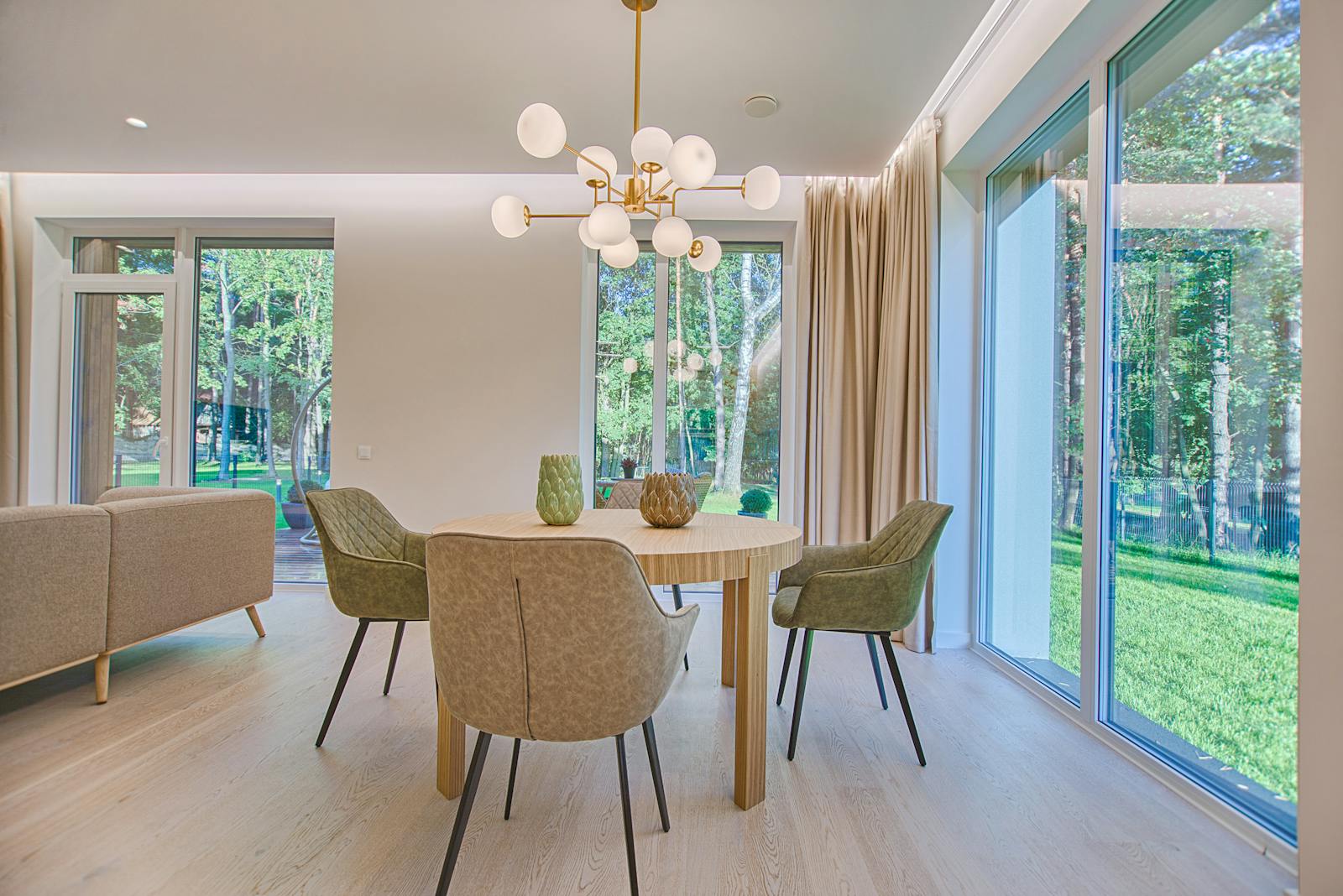
This blinds can improve privacy, reduce heat gain and make a room feel more polished, but only when the hardware matches the window. The wrong choice can mean noisy motors, short battery life, poor fit, or an automation that nobody in the house trusts.
What should you look for in smart blinds?
Start with the window, not the app. Measure the blind type, width, mounting depth and how commonly the blind is used each day before comparing protocols.
- Installation Type: Retrofit solutions work with existing blinds, while motorized systems require new shades
- Protocol: Matter, Zigbee, Wi-Fi or Bluetooth. Each has different integration and reliability trade-offs.
- Power Source: Battery-powered offers flexibility but requires recharging, while wired provides continuous power
- Home Assistant Integration: If you use Home Assistant or other local control systems, ensure good integration support
- Compatibility: Check if the system works with your existing smart home ecosystem (Apple HomeKit, Google Home, Alexa, etc.)
- Noise Level: Motorised blinds can be noisy. Check reviews if the room is a bedroom or office.
Quick comparison: top smart blinds
| Pick | Best for | Protocol | Installation type | Main trade-off |
|---|---|---|---|---|
| SwitchBot Blind Tilt | Existing horizontal blinds | Bluetooth, optional hub | Retrofit | Tilts slats only, does not raise or lower blinds |
| Zemismart Roller Shade Driver Matter/Thread | New roller shade installs | Matter over Thread | Motorised shade system | Needs Thread Border Router and careful measuring |
| Zemismart Roller Shade Driver Zigbee | Existing Zigbee homes | Zigbee | Motorised shade system | Best experience depends on your Zigbee network quality |
1. SwitchBot Blind Tilt: Best Retrofit Solution
If you already have blinds and want to add smart functionality without replacing them, the SwitchBot Blind Tilt is the perfect solution. This compact device attaches directly to your existing horizontal blinds, giving you remote control, scheduling, and automation capabilities without the expense of new motorized shades.
The SwitchBot Blind Tilt installs without tools. Attach it to your existing blind wand, pair it in the SwitchBot app over Bluetooth, and you can tilt slats open or closed. With the optional SwitchBot Hub Mini, you can control it over Wi-Fi and tie it into broader automations.
What makes the SwitchBot particularly appealing is its versatility. It works with most standard horizontal blinds, making it an ideal solution for renters or anyone who doesn’t want to invest in new window treatments. The battery-powered design means no wiring is required, and the long battery life (up to 8 months) means minimal maintenance.
For those using local smart home systems, the SwitchBot integrates well with Home Assistant, allowing you to create automations based on time, sun position, or other triggers. You can set up routines that open your blinds at sunrise, close them at sunset, or adjust them based on room temperature.
Pros:
- Easy Installation: No tools required, attaches to existing blinds in minutes
- Affordable: Much cheaper than replacing blinds with motorized systems
- Works with Existing Blinds: No need to replace your current window treatments
- Long Battery Life: Up to 8 months on a single charge
- Renter-Friendly: Easy to remove and take with you when you move
- Smart Home Integration: Works with Home Assistant, Alexa, Google Home, and Apple HomeKit (with hub)
- No Wiring Required: Battery-powered design offers maximum flexibility
Cons:
- Blinds Only: Only tilts blinds, doesn’t raise/lower them
- Requires Hub for Remote Access: Need SwitchBot Hub Mini for Wi-Fi control
- Bluetooth Range: Limited range without hub (though hub extends this)
- One Device Per Blind: Need multiple units for multiple windows
- Battery Maintenance: Requires periodic recharging
Retrofit Your Existing Blinds
ThisitchBot Blind Tilt is the easiest way to add smart control to your existing blinds.
2. Zemismart Roller Shade Driver (Matter/Thread): Best Future-Proof Option
Whenou’re installing new window treatments or want the most future-proof smart blind solution, the Zemismart Roller Shade Driver with Matter over Thread is the top choice. This motorized system uses the new Matter standard, ensuring compatibility with all major smart home platforms both now and in the future.
Matter is the industry-standard protocol that helps devices work across Apple HomeKit, Google Home, Amazon Alexa and Home Assistant. That cross-platform support protects your investment if you change ecosystems later.
Thisread protocol provides a reliable, low-latency mesh network that extends throughout your home. Unlike Wi-Fi, Thread creates a self-healing mesh network where devices help extend the range, making it perfect for larger homes or challenging layouts. The system requires a Thread Border Router (like Apple HomePod Mini, Google Nest Hub, or Home Assistant SkyConnect), but once set up, it provides rock-solid reliability.
Also,orized roller shade system is ideal for new installations or when you’re ready to upgrade to motorized shades. The quiet operation ensures it won’t disturb you, and the precise control allows you to set shades to any position, not just fully open or closed. Combined with automation, you can create sophisticated routines that adjust shades based on time of day, sun position, or room temperature.
Pros:
- Matter Compatible: Works with all major smart home platforms
- Future-Proof: Won’t become obsolete as Matter becomes the standard
- Thread Protocol: Reliable mesh network with excellent range
- Universal Compatibility: Works with Apple HomeKit, Google Home, Alexa, and Home Assistant
- Precise Control: Set shades to any position, not just open/closed
- Quiet Operation: Won’t disturb you during operation
- Professional Installation: Motorized system provides smooth, reliable operation
Cons:
- Requires Thread Border Router: Need compatible hub (HomePod Mini, Nest Hub, etc.)
- New Installation Required: Need to install new roller shades, not a retrofit
- Higher Cost: More expensive than retrofit solutions
- Installation Complexity: Requires mounting motor and installing shades
- Thread Ecosystem: Still growing, fewer devices than Zigbee or Wi-Fi
Get The Most Future-Proof Smart Blinds
Thismismart Matter/Thread system ensures your smart services will work for years to come.
3. Zemismart Roller Shade Driver (Zigbee): Best for Zigbee Ecosystems
That already run a Zigbee mesh, the Zemismart Roller Shade Driver (Zigbee) fits cleanly into that network. Zigbee is mature, battery-friendly for sensors, and keeps traffic off your Wi-Fi.
The Zigbee version offers several advantages for those with established Zigbee setups. It connects directly to your existing Zigbee hub (like a Zigbee coordinator for Home Assistant or Tuya Zigbee hub), extending your mesh network and providing reliable, local control. Unlike Wi-Fi devices, Zigbee doesn’t clutter your Wi-Fi network and operates on a separate frequency, reducing interference.
When system features built-in battery operation, making installation more flexible since you don’t need to run power to each window. The 3-speed quiet operation ensures smooth, unobtrusive shade movement, and the system works with popular smart home platforms including Alexa, Google Home, and Home Assistant via the Tuya integration.
For those building a local smart home, Zigbee devices are ideal because they operate locally without requiring cloud services. All commands and automations can be processed within your home network, providing faster response times, better privacy, and reliability that doesn’t depend on internet connectivity.
Pros:
- Zigbee Compatibility: Integrates with existing Zigbee ecosystems
- Local Control: Works without cloud services for better privacy and reliability
- Built-in Battery: No wiring required, flexible installation
- 3-Speed Operation: Quiet, smooth shade movement
- Mesh Network: Extends your Zigbee network for better coverage
- Home Assistant Integration: Excellent support via Zigbee integration
- Affordable: More cost-effective than Matter/Thread version
- Mature Technology: Zigbee is well-established with extensive device support
Cons:
- Requires Zigbee Hub: Need Tuya Zigbee hub or Zigbee coordinator
- New Installation Required: Need to install new roller shades
- Battery Maintenance: Requires periodic recharging
- Tuya Ecosystem: Some features can require Tuya app/cloud
- Not Matter Compatible: Won’t work with Matter standard
Perfect for Zigbee Smart Homes
smart services Use Cases and Benefits
Energy Savings
- Opening during winter days to let in sunlight and natural heat
- Closing during summer days to block heat and reduce cooling costs
- Adjusting based on room temperature automatically
- Creating schedules that optimize energy usage
Many homeowners see 10–20% reduction in heating and cooling costs with properly automated smart services.
Privacy and Security
- Automatically closing at sunset for privacy
- Creating “away” routines that make your home look occupied
- Remote control when you’re away from home
- Integration with security systems for coordinated responses
Comfort and Convenience
- Opening at sunrise to wake you naturally
- Adjusting throughout the day based on sun position
- Closing automatically for movie time or naps
- Voice control for hands-free operation
Integration with Home Assistant
All three smart blind solutions integrate well with Home Assistant, allowing you to create sophisticated automations:
- SwitchBot Blind Tilt: Integrates via SwitchBot integration or Bluetooth
- Zemismart Matter/Thread: Native Matter support provides excellent integration
- Zemismart Zigbee: Direct Zigbee integration for local control
- Sunrise/Sunset Automation: Open blinds at sunrise, close at sunset
- Temperature-Based: Close blinds when room temperature rises above a threshold
- Presence Detection: Open blinds when you arrive home, close when you leave
- Movie Mode: Close all blinds when you start watching a movie
- Security Routine: Randomize blind positions when you’re away to simulate occupancy
Installation Considerations
Retrofit Solutions (SwitchBot)
- Best For: Existing blinds, renters, quick setup
- Installation: Attaches to existing blind wand, no tools required
- Time: 5–10 minutes per window
- Cost: Lower upfront cost
Motorized Systems (Zemismart)
- Best For: New installations, permanent solutions, precise control
- Installation: Requires mounting motor and installing new shades
- Time: 30–60 minutes per window (depending on experience)
- Cost: Higher upfront cost but includes new shades
Cost Comparison
- SwitchBot Blind Tilt: ~$70 per window (plus optional hub for remote access)
- Zemismart Matter/Thread: ~$150–200 per window (includes motor and shade)
- Zemismart Zigbee: ~$120–150 per window (includes motor and shade)
- SwitchBot (8 units): ~$560
- Zemismart Matter/Thread (8 windows): ~$1,200–1,600
- Zemismart Zigbee (8 windows): ~$960–1,200
Remember: SwitchBot works with existing blinds, while Zemismart systems include new shades, so factor in the cost of replacement shades if you choose the retrofit route.
Conclusion: Which smart services Are Right for You?
Choosing the right smart services solution depends on your specific needs, existing setup, and budget. All three options we’ve reviewed are excellent choices that will transform your home’s lighting and privacy control.
Choose the SwitchBot Blind Tilt if: You want to add smart functionality to existing blinds quickly and affordably. It’s perfect for renters, those on a budget, or anyone who wants to test smart services before committing to a full motorized system.
One the Zemismart Roller Shade Driver (Matter/Thread) if: You want the most future-proof solution with universal compatibility. It’s ideal for new installations where you want to ensure long-term compatibility across all smart home platforms.
Choose the Zemismart Roller Shade Driver (Zigbee) if: You already have a Zigbee-based smart home and want straightforward integration with local control. It’s perfect for those building a local smart home with Home Assistant.
That most people, start with the SwitchBot Blind Tilt on existing blinds to test automation cheaply. For new roller shades, compare Zemismart Matter/Thread for cross-platform homes and Zemismart Zigbee if you already run Home Assistant with a strong mesh.
Ready to automate window treatments? See our smart home setup guide for integration tips.
Frequently Asked Questions
Can smart services work with existing blinds?
Yes, with retrofit kits such as the SwitchBot Blind Tilt on horizontal blinds. Full raise/lower automation usually needs a motorised roller shade system.
Do smart services need a hub?
SwitchBot commonly needs the Hub Mini for Wi-Fi and voice control. Matter/Thread shades need a Thread Border Router. Zigbee shades need a Zigbee coordinator.
Are smart services worth it for energy savings?
That ,,,,,,,,,,,,,,,,,,,,,,,, shading can cut heat gain in summer and help retain warmth in winter when paired with good insulation. Results depend on orientation and how commonly schedules run.
Which protocol is best for Home Assistant?
Zigbee or Matter integrations are usually the most flexible. SwitchBot works via its integration or Bluetooth with more setup steps.
How much does smart home gear cost over five years?
Sticker price is only part of the story. Hubs, repeaters, replacement batteries, cloud subscriptions and electrician call-outs can add up quickly on Australian 240 V installs. We compare total ownership cost in our reviews and link to primary references such as the Home Assistant documentation and the Matter specification when protocol compatibility matters. Budget for at least one spare sensor or switch when you standardise on a hub — mixed-vendor kits often need extra repeaters.
Cross-check compatibility, safety and local rules with official sources before you buy. Australian 240 V wiring, RCM labelling and hub protocols change with firmware updates, so confirm details against manufacturer docs and a licensed electrician when mains power is involved.
Which protocol should you standardise on?
Wi-Fi devices are easy to buy but noisy on your network. Zigbee and Thread/Matter devices usually need a compatible hub or border router, yet they tend to behave better when the internet drops. Before you bulk-buy sensors or switches, decide whether Modern Home Tech readers should prioritise local control, Apple Home, Google Home or Home Assistant — then pick products that match that path instead of mixing three ecosystems by accident. Thread border routers in Australia must still meet RCM requirements for radio equipment.
Which smart home news topics matter most for owners?
Protocol changes, security advisories and tariff updates affect real households more than launch-day hype. We prioritise Matter and Thread compatibility notes, recall notices, and energy price shifts that change whether automations still save money. Firmware regressions that break local control also rank above minor app redesigns — those are the updates worth reading before you buy more gear.
Cross-check compatibility, safety and local rules with official sources before you buy. Australian 240 V wiring, RCM labelling and hub protocols change with firmware updates, so confirm details against manufacturer docs and a licensed electrician when mains power is involved.